Articles, guides, and expert advice for bespoke home design

Explore expert advice on selecting solid hardwood structures, essential timber maintenance routines, and modern design innovations to bring authentic warmth and endurance into your living spaces.

How to choose the right wood species for stair treads?

A material selection guide: balancing structural durability, grain aesthetics, and project investment for your home

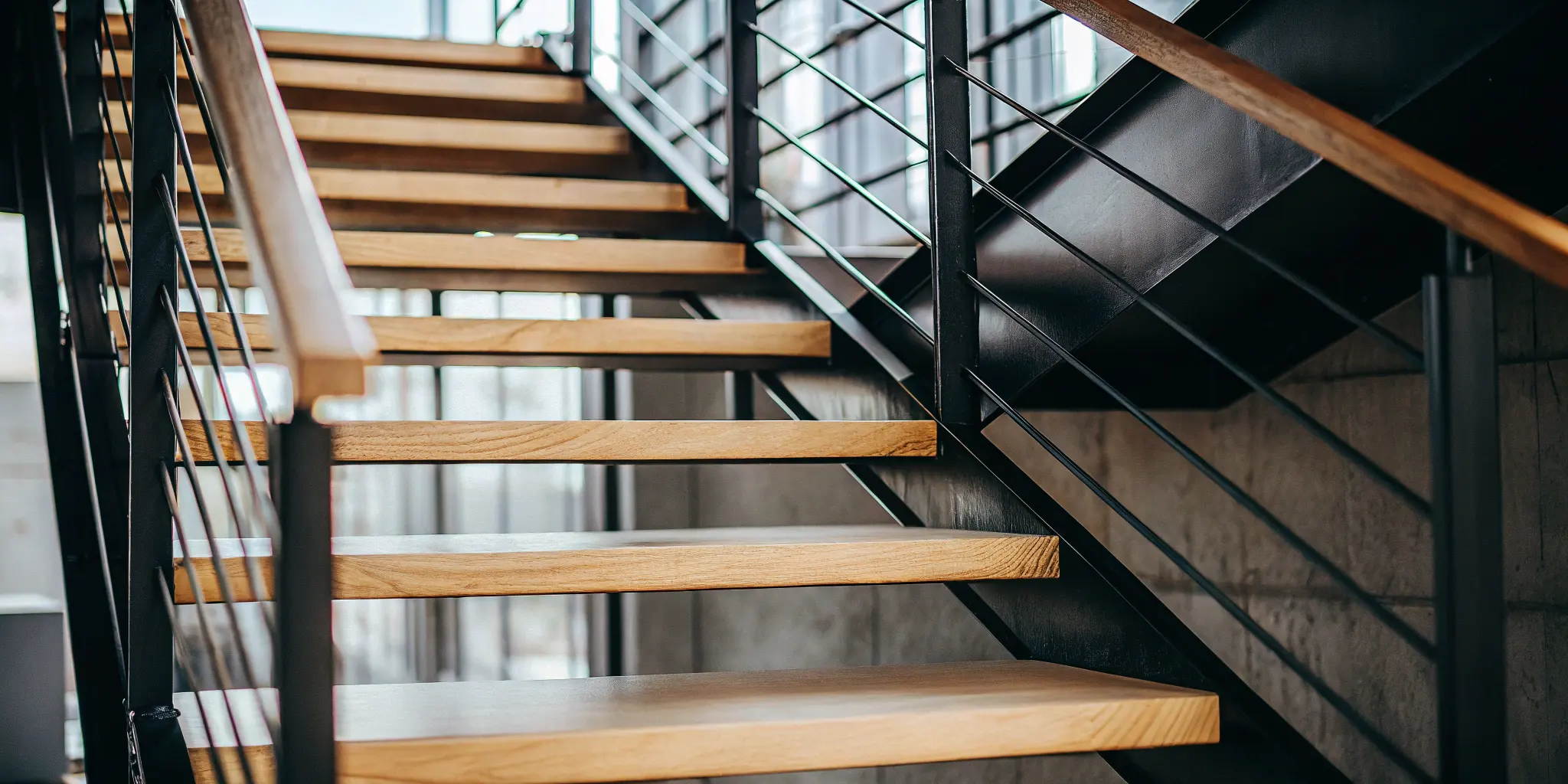
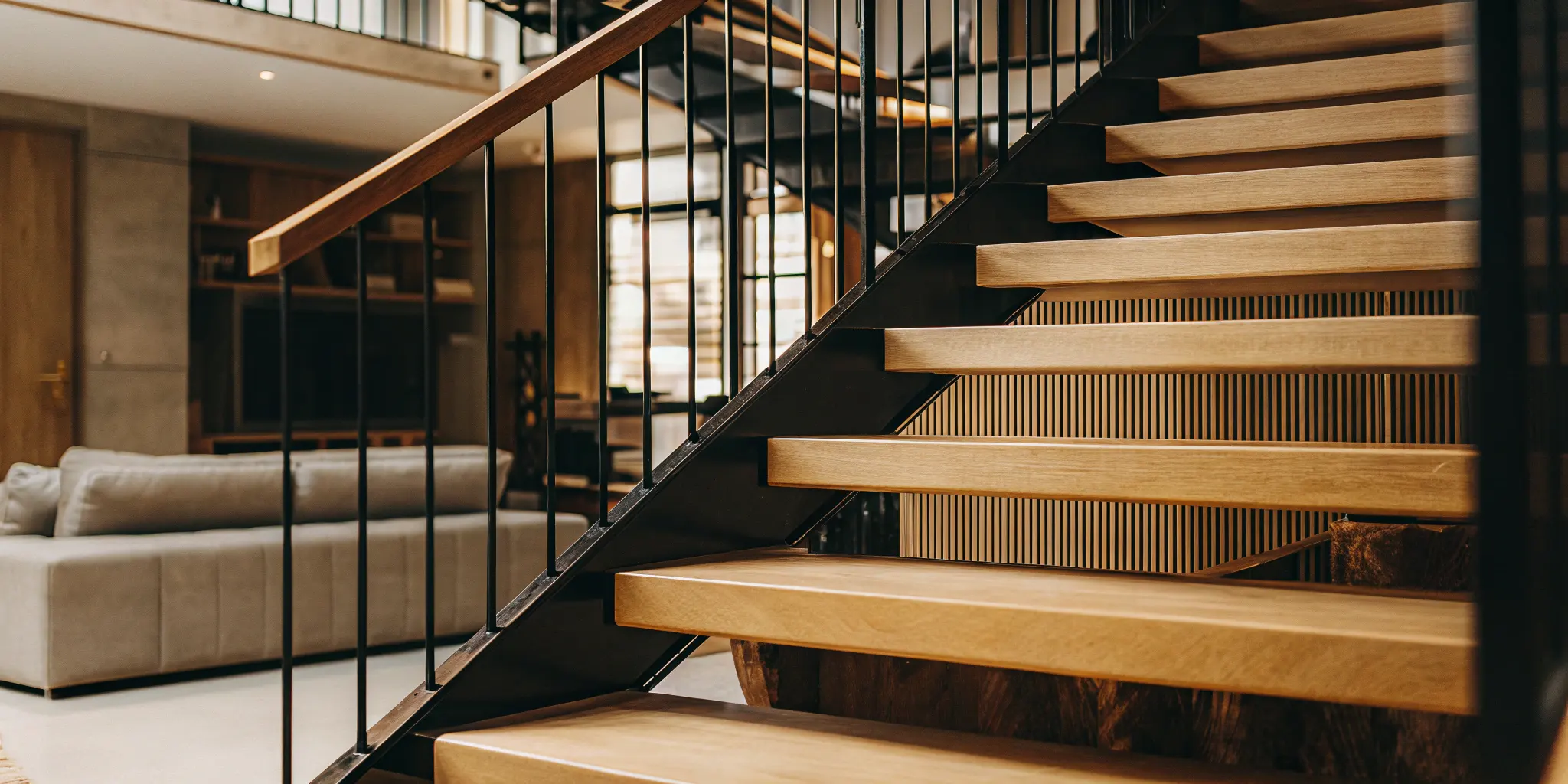
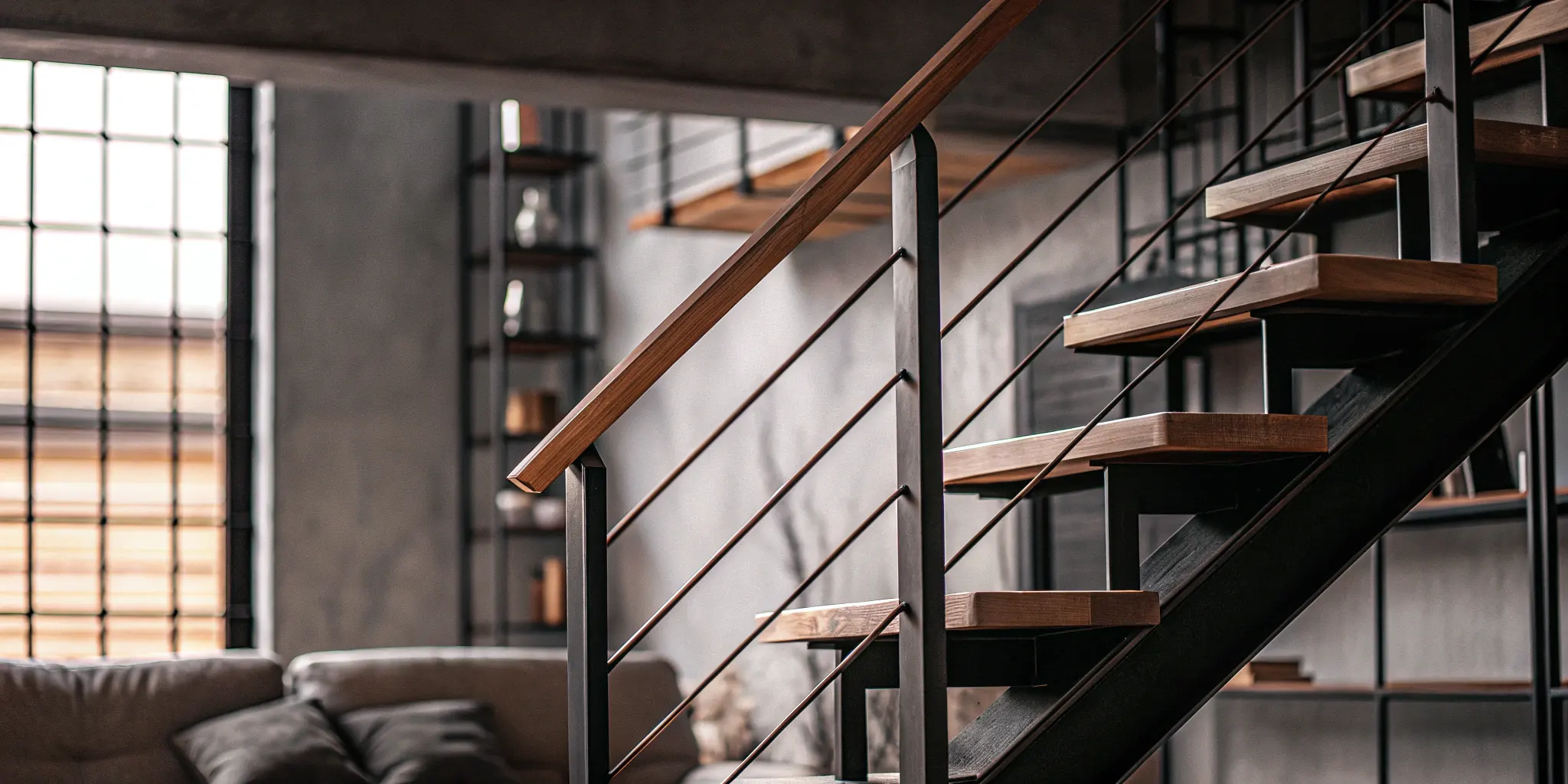
Hardwood species selection and natural wood textures for stair treads

Stairs are more than a functional link between floors—they define the architectural presence of your interior. Selecting the right timber species allows you to cultivate enduring sophistication and natural warmth. The master woodworkers at Soul in Wood recommend evaluating several crucial structural and aesthetic criteria before making your final selection.

The chosen wood species dictates not only the visual character of your staircase, but its physical wear resilience over decades. High-density hardwood is the ultimate guarantor of longevity in high-traffic residential areas.

Key factors in material selection

Durability & Hardness: Stair treads must withstand foot impacts, abrasive grit, and everyday wear. Denser hardwood species offer extended service life and superior resistance, making them well worth the initial investment.

Tone & Grain Texture: Each tree species is a distinct work of nature defined by its organic coloration, growth rings, and fiber character. It is essential to select timber that complements your flooring, architectural metalwork, and broader interior palette.

Budget & Value: Raw timber costs vary depending on regional availability and seasoning duration. A deliberate choice of species ensures an optimal balance between structural excellence and your project budget.
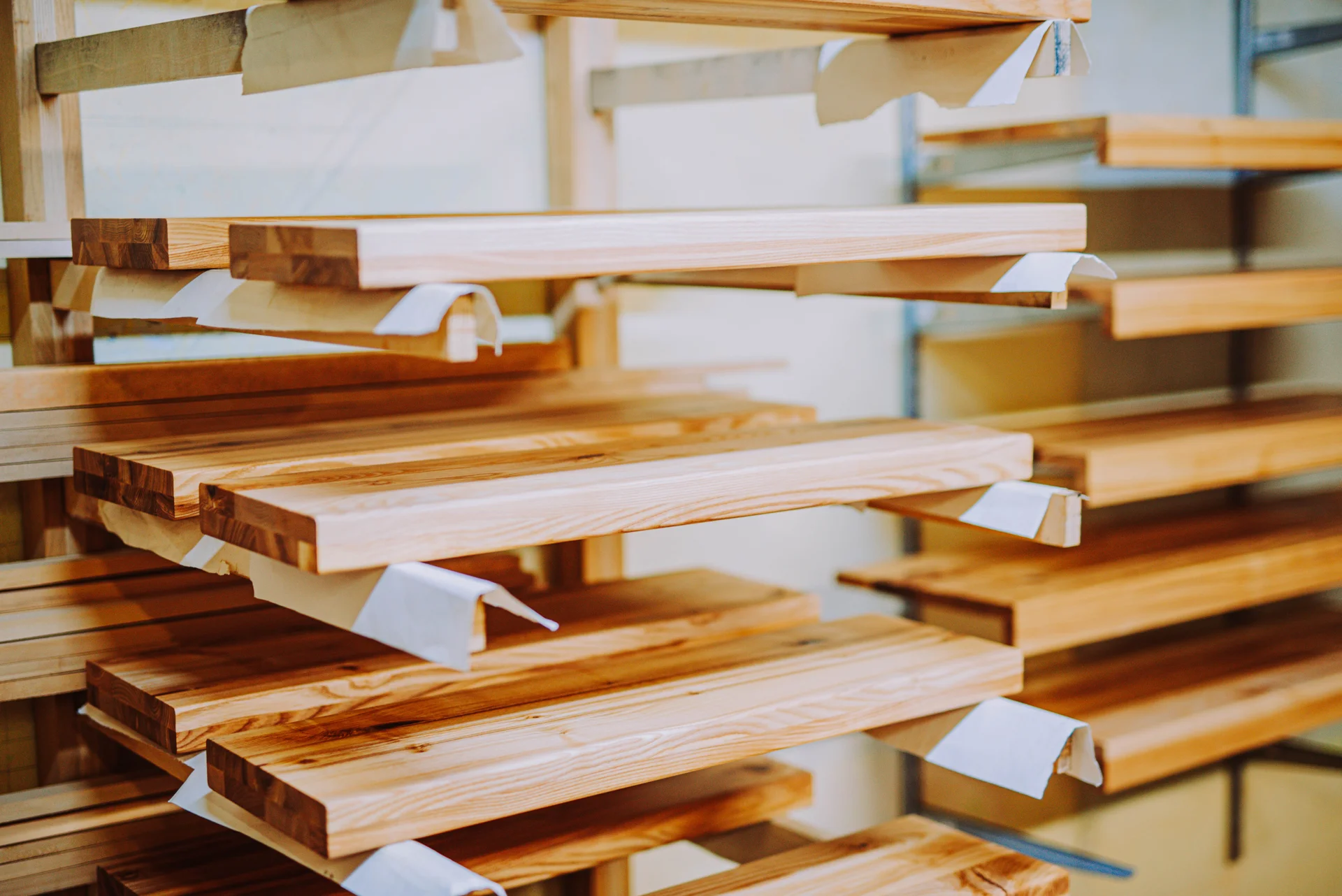
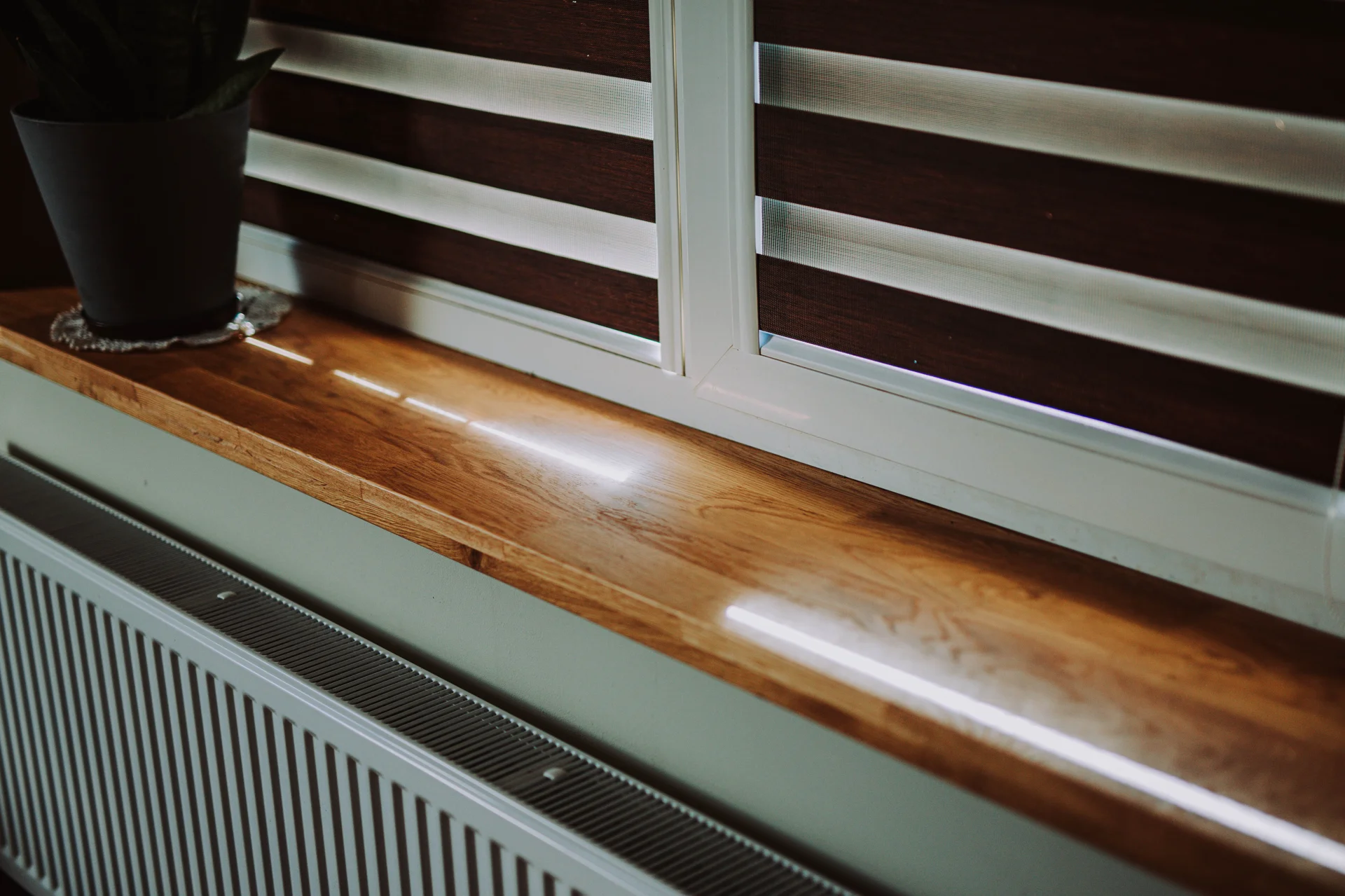
Hardwood species comparison: pros and considerations

Species
Characteristics & Advantages
Considerations
Ash Popular
+ Exceptional impact resistance, dynamic grain expression, and diverse natural tone gradations.
− Premium pricing compared to standard softer hardwoods.
Oak Premium
+ Benchmark structural durability, timeless architectural elegance, and dense, noble grain patterning.
− Higher upfront investment reflecting its enduring lifespan.
Elm
+ Moderate-to-high density, interlocking grain structure resistant to splitting, and attractive pricing.
− Marginally lower surface hardness than mature oak or maple.
Maple
+ Bright, modern blonde hue, fine satin texture, and remarkable wear resistance against abrasion.
− Requires precise climate control during seasoning; higher price tier.
Redwood Exotic
+ Distinctive architectural presence, deep rich coloration, and outstanding natural resistance.
− Premium luxury cost and specialized sourcing requirements.
Birch
+ Soft Scandinavian aesthetic, medium density, smooth finishing properties, and accessible budget fit.
− Susceptible to heavy point impacts compared to oak; best suited for low-to-medium traffic.