
How to choose and maintain solid wood stair treads?
A practical guide to selecting the right timber and essential everyday care routines for lasting wooden longevity
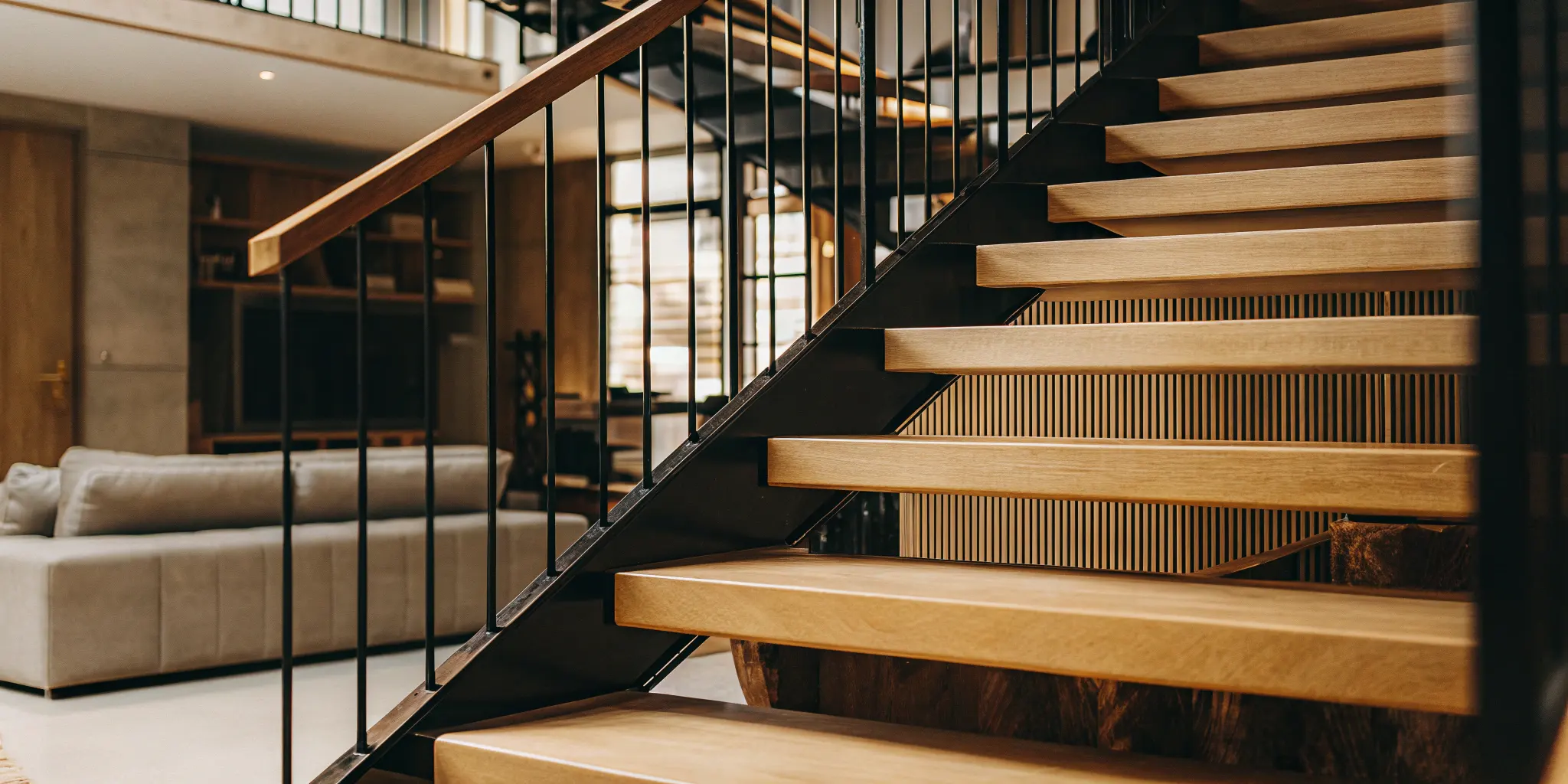
Stairs are more than a functional link connecting home levels; they are the architectural centerpiece of interior design. Choosing the appropriate timber and tread geometry creates an unmatched atmosphere of elegance and warmth in your living space. Soul in Wood craftsmen emphasize that thoughtful selection and proper maintenance are two equally essential cornerstones for enduring beauty.
Solid hardwood is an investment that matures and gains character over time. Mindful, routine care guarantees your wooden stair treads will preserve their authentic natural luxury and warmth for decades to come.
Solid hardwood treads – natural beauty and structural durability
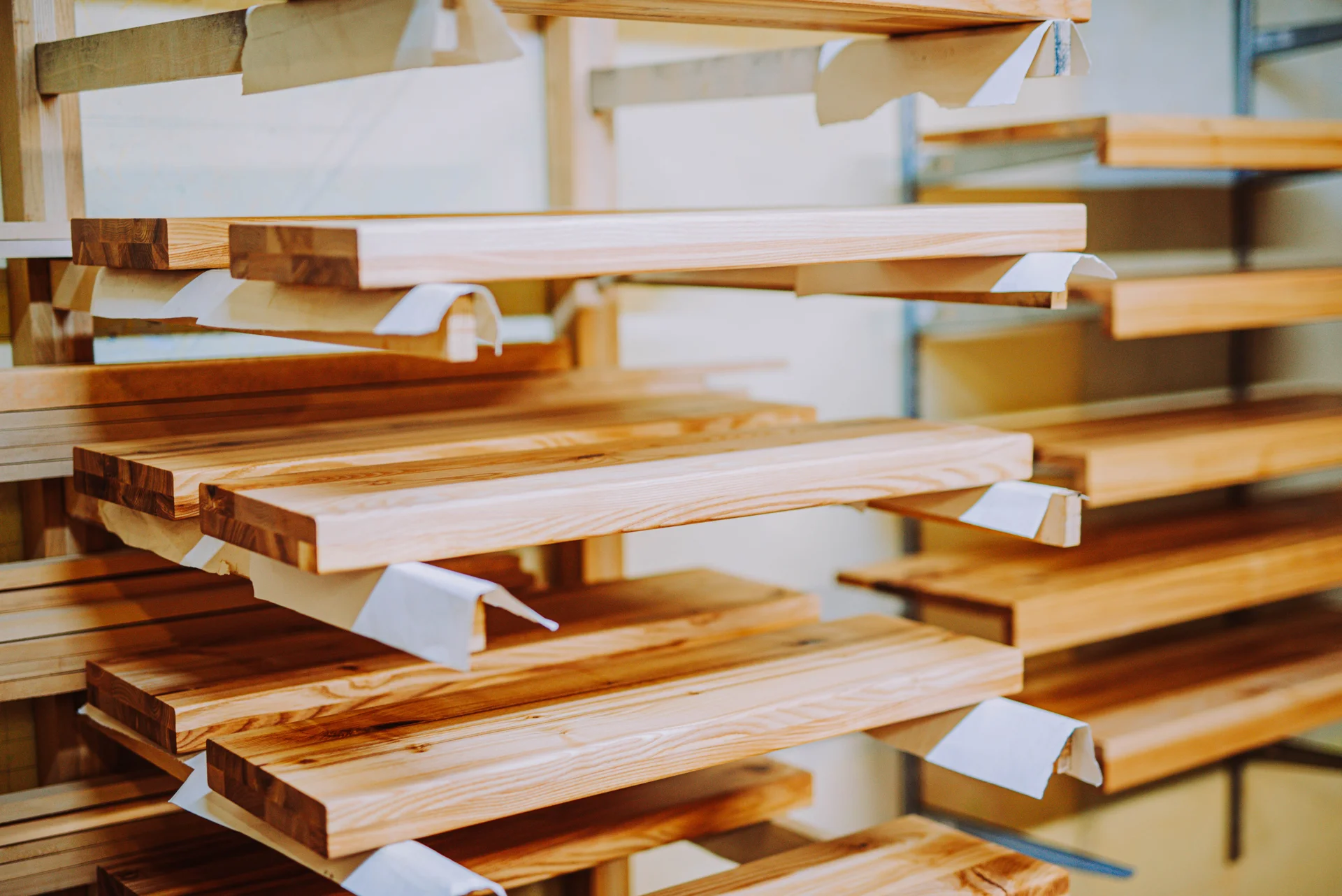
When selecting stair treads, balancing aesthetic harmony with structural endurance and practical functionality is paramount. Solid wood stair treads deliver all three essential qualities:
Incomparable natural beauty: Each hardwood species features an unmistakable character through distinctive grain patterns, organic hues, and texture. Solid wood steps bestow tactile refinement, warmth, and grounded presence to any architectural space.
Superior resilience: Carefully sourced and precision-crafted hardwood offers high resistance against everyday foot traffic, impact, and superficial wear, serving reliably for generations.
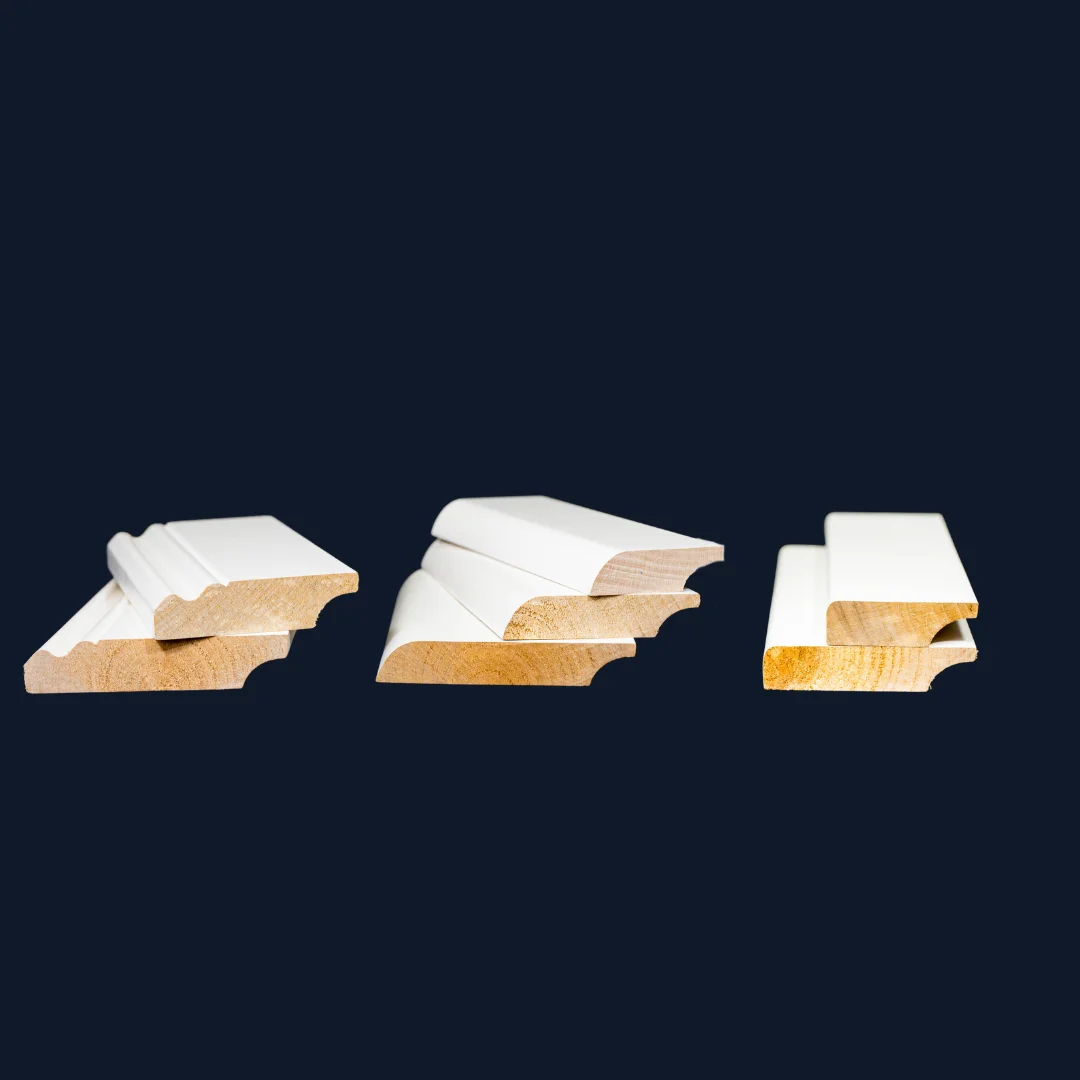
Bespoke design versatility: A wide range of timber varieties, dimensions, and edge profiles allow homeowners and architects to craft a tailored solution tailored to the residence.
Three decisive factors to consider before choosing
Hardwood species: When selecting a timber species, weigh both grain visual character and structural density. Denser hardwoods—such as European oak or American walnut—provide optimal resistance to impacts and wear, ensuring exceptional performance in high-traffic households.
Tread dimensions and ergonomics: Step sizing must ensure effortless comfort and uncompromised safety. Stair planning requires rigorous attention to riser height and generous going (tread depth) to ensure natural stride ergonomics.
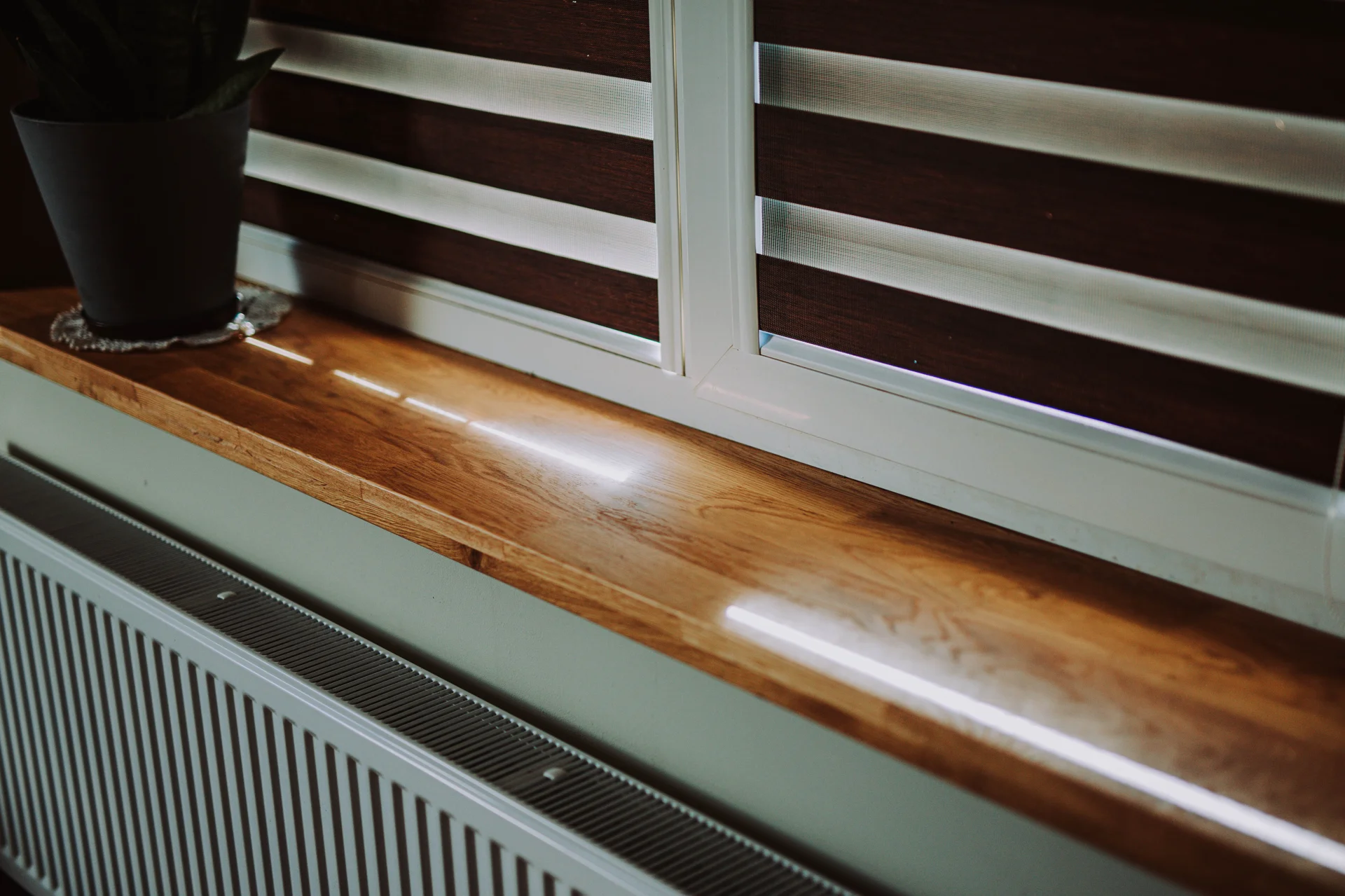
Surface finishes: Solid hardwood steps can be treated with diverse protective and aesthetic finishes, including breathable hardwax oils or durable architectural lacquers. Align your finish choice with the chosen species and overall maintenance preferences.
Essential tips for maintaining solid wood treads
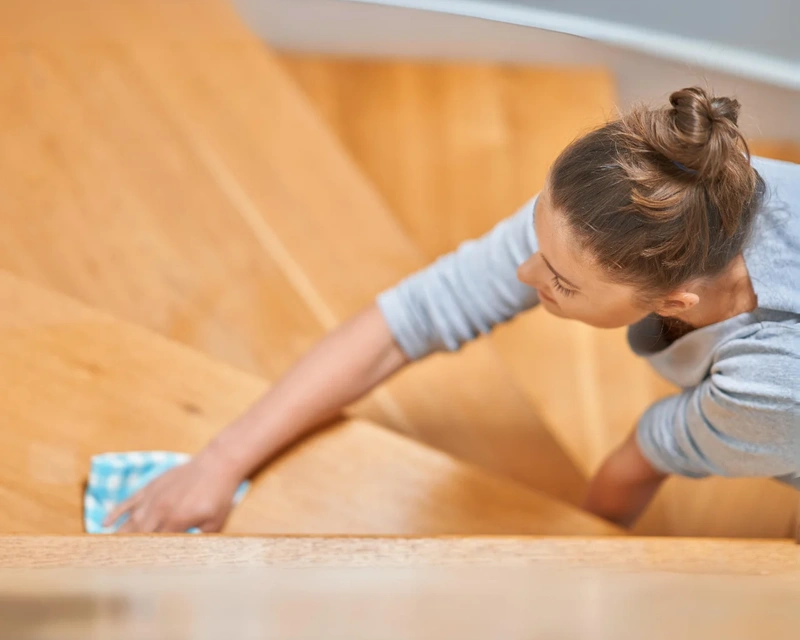
Regularly clean treads with a soft, lightly damp microfibre cloth to remove fine sand and abrasive particles that can dull or scratch the surface.
Never use aggressive chemical cleaners, ammonia, or abrasive powders that risk degrading the protective oil or lacquer coating and discoloring the timber.
Periodically nourish the steps with specialized wood care products, refreshing the protective oil or wax layer as needed based on traffic volume.