Stair railings and balustrades: key safety and style elements for your home
An architectural overview of material selection, functional integration, and proper structural care for lasting endurance
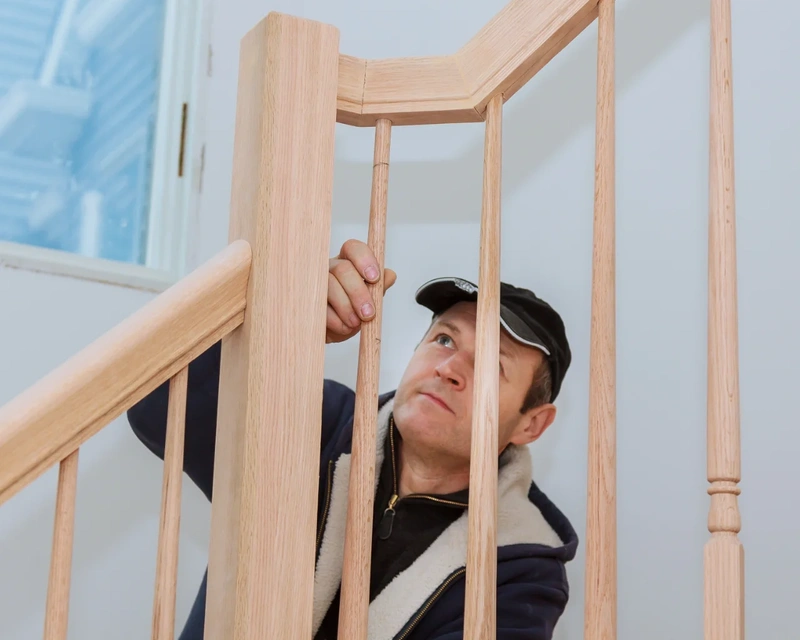
Staircase railings and balcony balustrades do far more than prevent falls; they define the architectural identity of an interior or exterior space. When specifying these structures, finding the right equilibrium between structural load capacity and minimalist aesthetics is essential to creating a cohesive interior environment.
The handrail is the most tactile element of any staircase—bridging tangible safety with visual rhythm, bringing closure to the architectural lines of the home.
Functions beyond primary safety
Beyond acting as a crucial fall-protection barrier for families and pets, custom railings serve several architectural and lifestyle purposes:
Design and stylistic focal point: By contrasting or matching materials, balustrades can harmonize effortlessly with the surrounding architecture. They can function as subtle minimalist borders or serve as the bold visual center of an open-plan room.
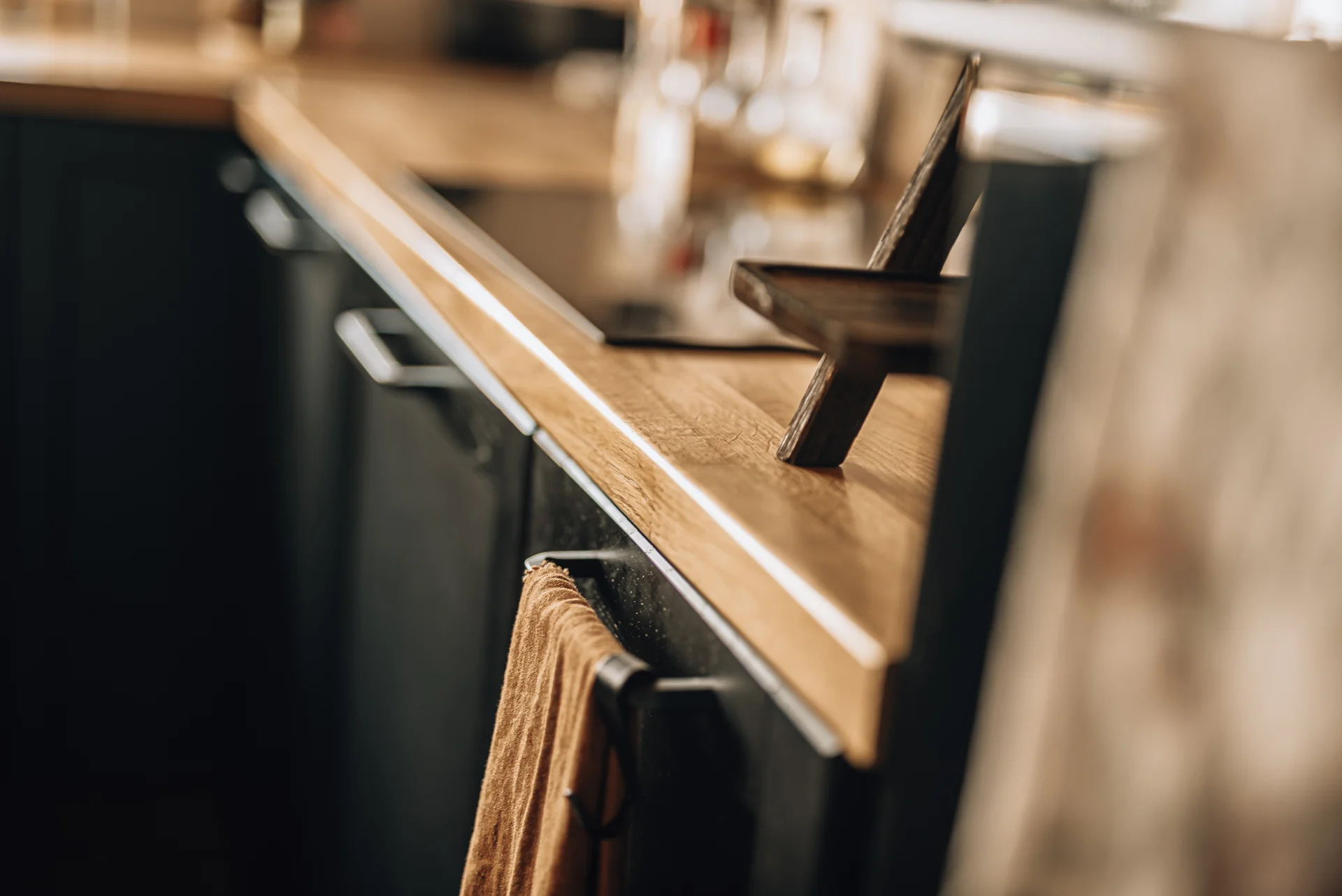
Integrated functional support: In contemporary architecture, railing channels and structural posts can seamlessly house concealed LED strip illumination, integrated greenery supports, or discreet acoustic panels.
Railing materials for every architectural style
The choice of material sets the tactile quality and tone of your stairway:
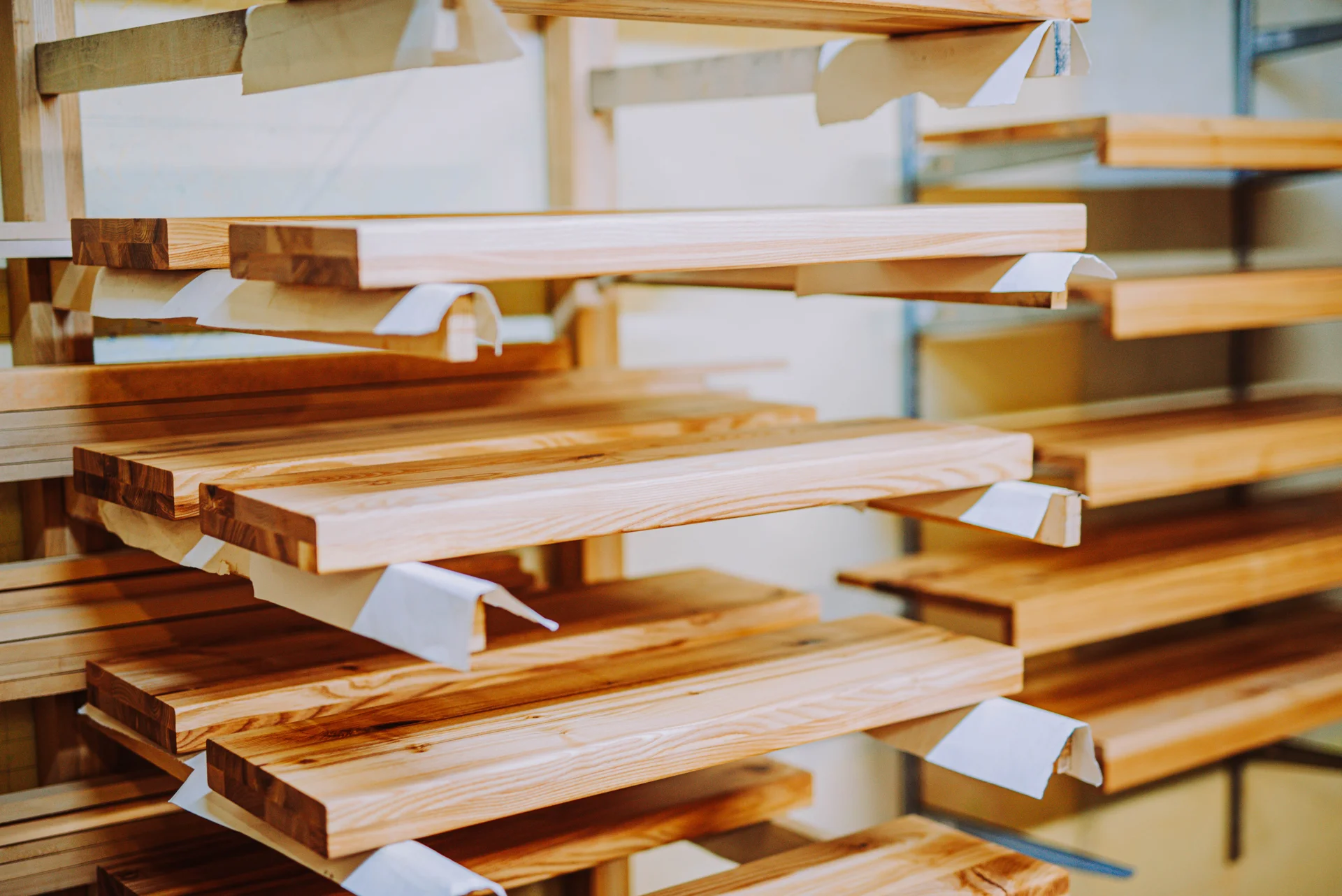
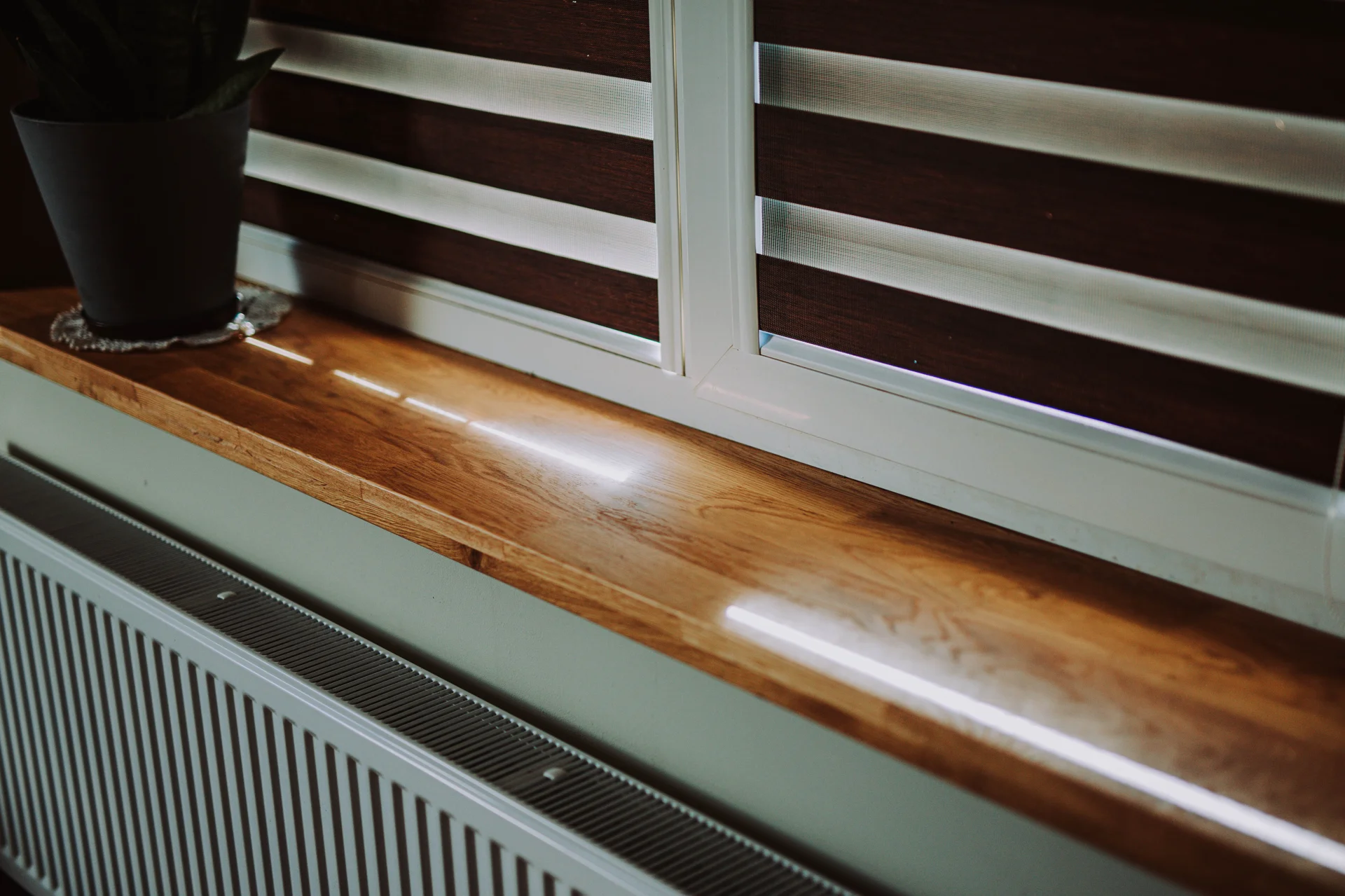
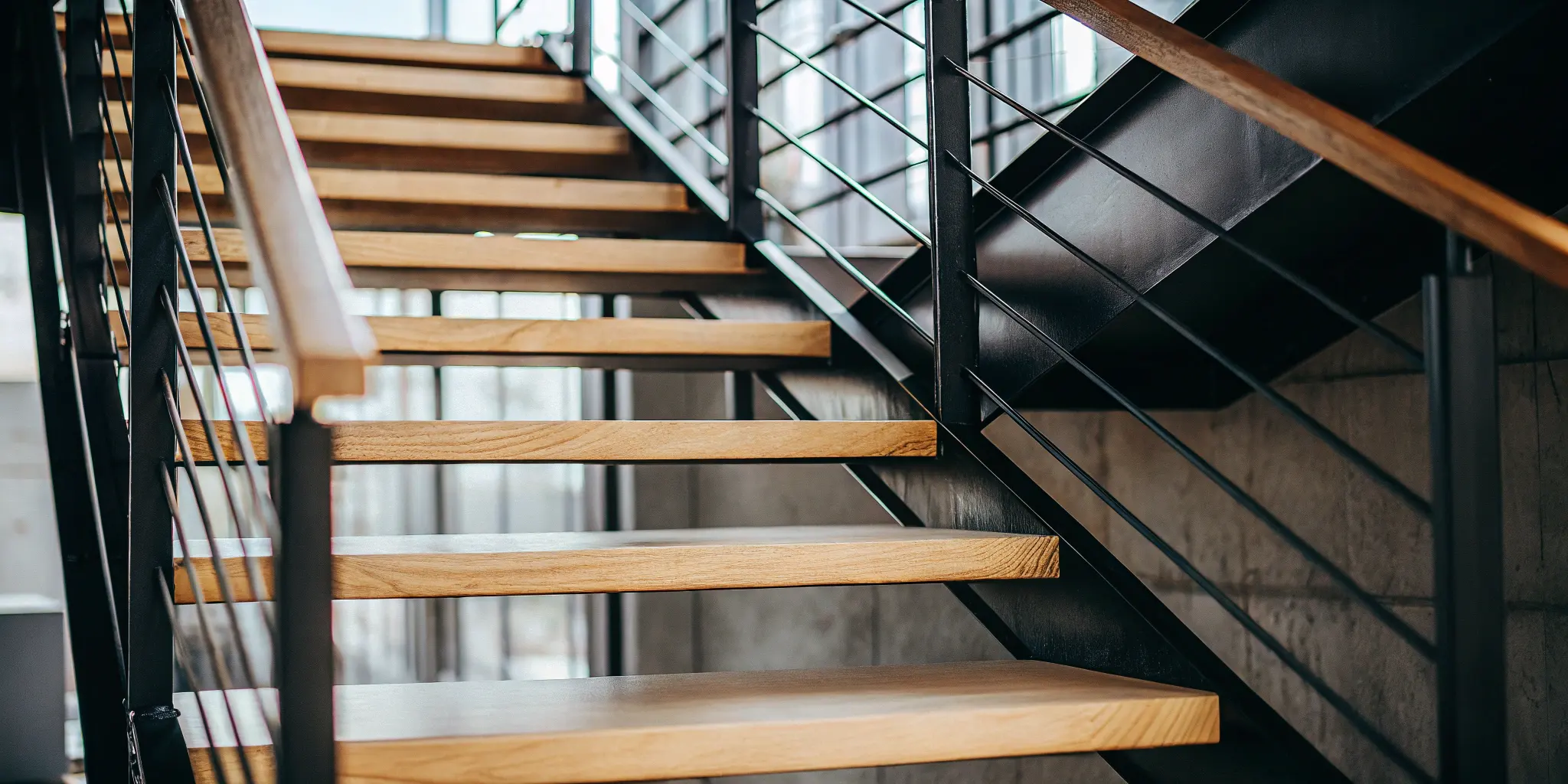
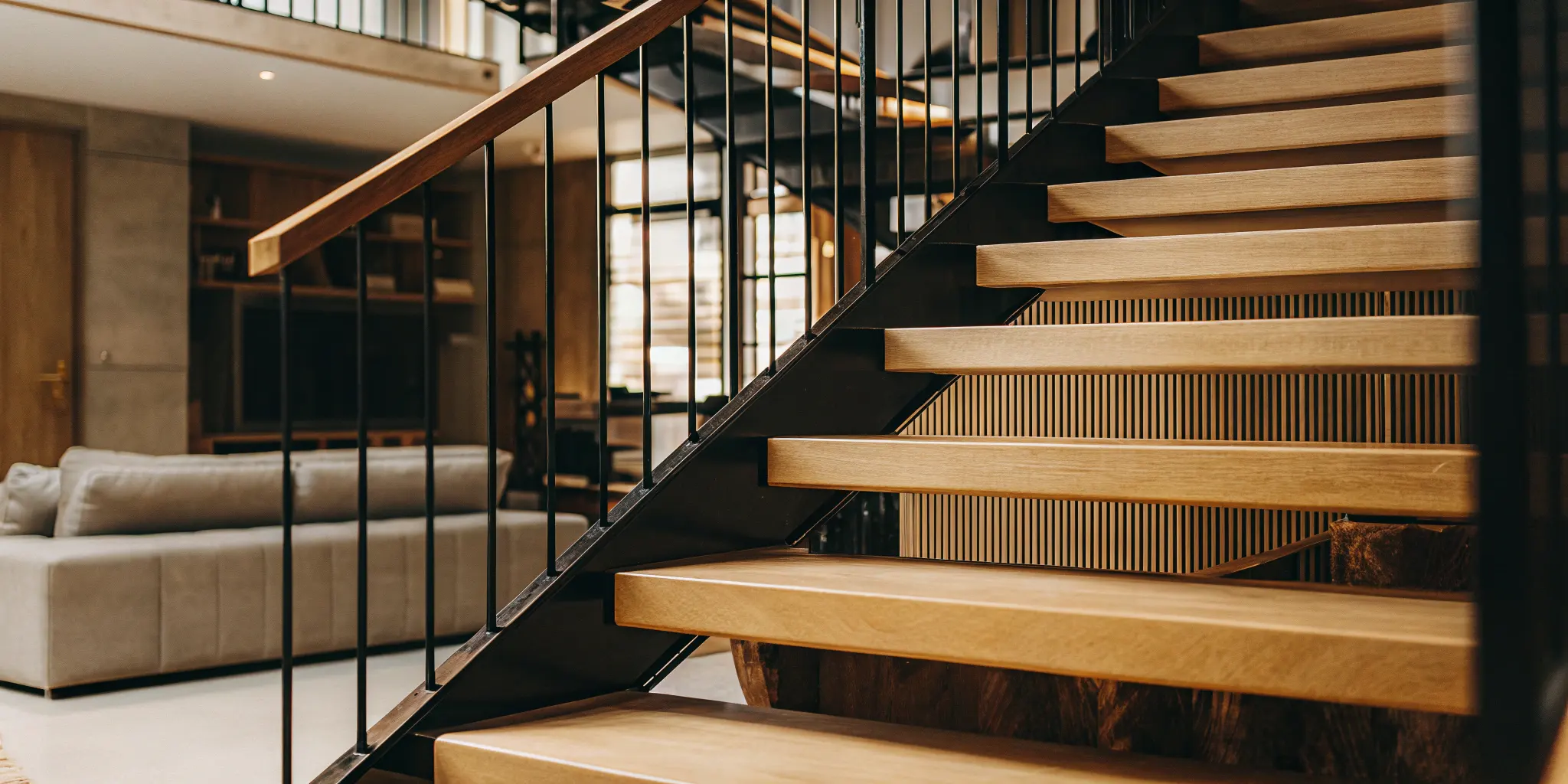
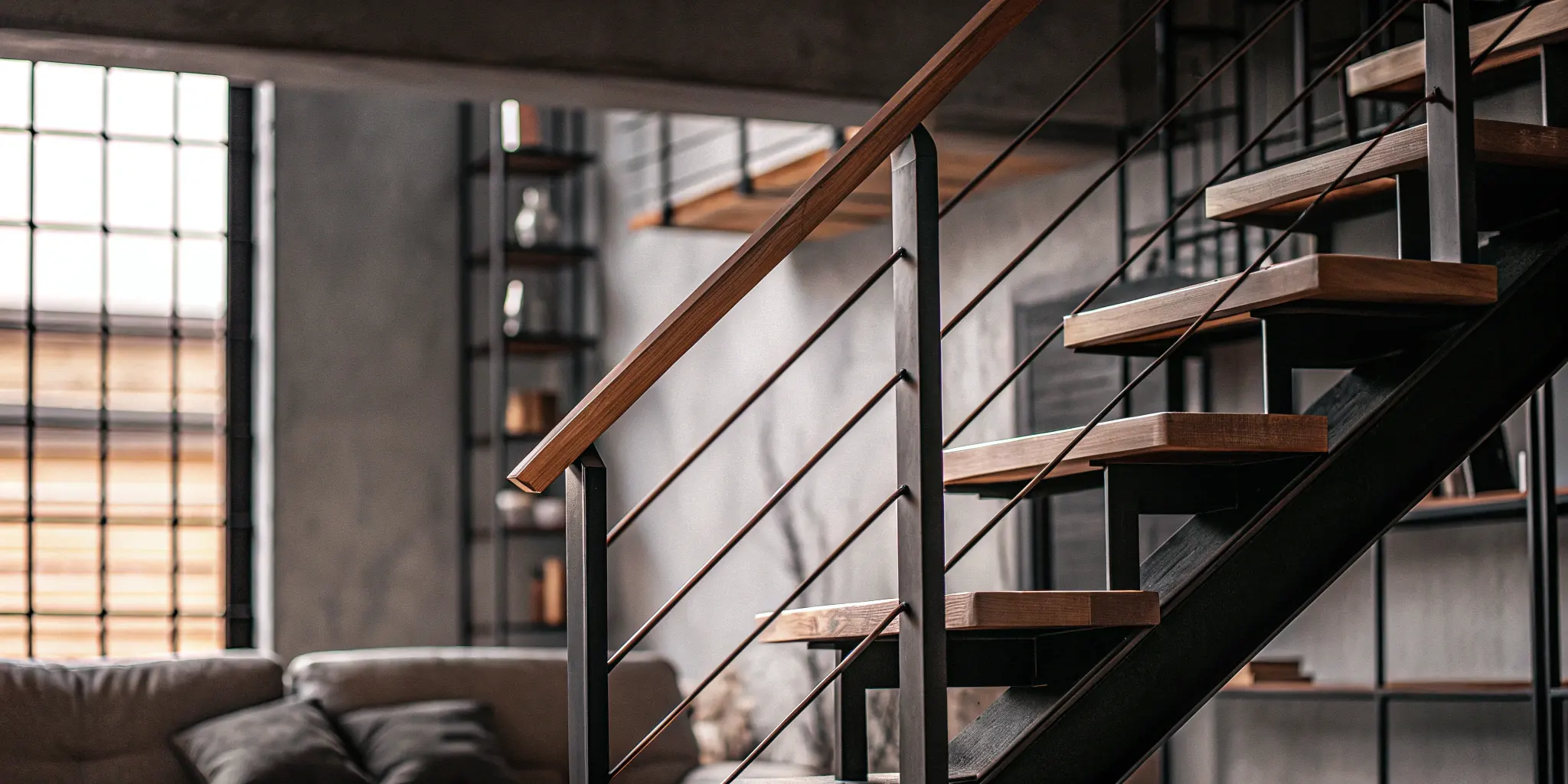
- • Solid timber railings: A timeless, organic choice bringing natural warmth. Solid hardwood treads and timber handrails crafted from durable oak, ash, or elm remain the benchmark for tactile comfort.
- • Structural metal: Highly durable, minimalist frameworks manufactured from black powder-coated steel, lightweight aluminum, or brushed stainless steel, pairing perfectly with metal stair structures.
- • Glass balustrades: Provide maximum visual lightness and transparent flow, allowing natural light to penetrate deep into multi-story spaces.
- • Engineered composites: Budget-conscious and low-maintenance solutions well-suited for high-humidity or utilitarian areas.
Design planning and professional installation
When designing railings, prioritize building codes, load-bearing requirements, and the surrounding layout. Anchoring points, hidden weld seams, and joint connections demand rigorous engineering precision; for that reason, structural installation is best entrusted to experienced craftsmen.
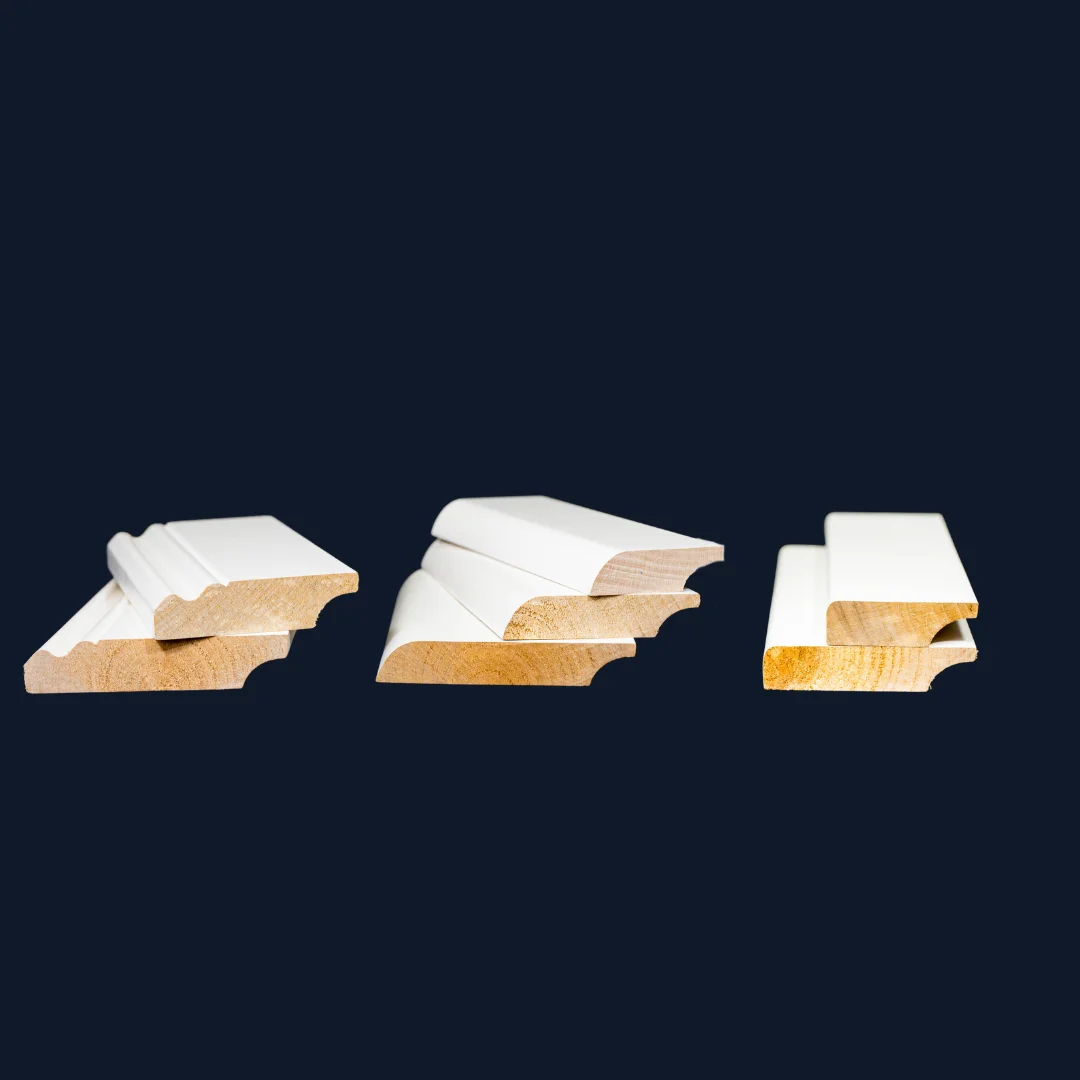
At Soul in Wood, our joinery team handcrafts bespoke, precision-machined handrails and custom metal balustrades. From classical profiled timber details to razor-sharp minimalist modern railings, we bring architect-led concepts to reality. Contact us to discuss your project.
Maintenance and long-term care
Clean surfaces regularly using a soft microfiber cloth with a pH-neutral cleaner to prevent dust, grease, and skin oils from degrading the topcoat.
Periodically inspect base plate anchors, bracket bolts, and wall fittings, promptly tightening any hardware to preserve rock-solid structural rigidity.
Recondition oiled or lacquered wood handrails periodically with dedicated timber care oils or hard waxes, ensuring metal components are kept dry and free of surface moisture.